Introduction
Project management is one of the most valuable skills for anyone building an online business, managing a team, or organizing personal and professional work. Whether you’re launching a website, creating digital products, running marketing campaigns, or developing software, successful projects depend on clear planning and effective execution.
For beginners, project management is not about complicated charts or corporate jargon. It is simply the process of planning, organizing, tracking, and completing work efficiently.
In this guide, you’ll learn what project management is, why it matters, the main project phases, popular methodologies, essential tools, and practical tips for managing projects successfully in 2026.
What Is Project Management?
Project management is the process of achieving a specific goal by organizing people, tasks, time, and resources within a defined timeframe.
A project is different from routine daily work because it has:
- A clear objective
- A beginning and an end
- Defined tasks
- A deadline
- Measurable results
For example, creating a new affiliate website, designing a mobile app, or publishing a complete online course are all projects.
Why Project Management Matters
Good project management helps reduce confusion and improve productivity.
Key benefits include:
- Better organization
- Clear priorities
- Improved teamwork
- Faster decision-making
- Reduced delays
- Better resource management
- Higher project success rates
If you already read Productivity: A Complete Guide to Getting More Done in Your Online Business, you’ll notice that productivity focuses on personal efficiency, while project management focuses on completing larger goals successfully.
The Five Project Management Phases
Every successful project usually follows five important stages.
1. Project Initiation
This is where the idea begins.
Ask questions like:
- What is the goal?
- Why is this project important?
- Who is involved?
- What does success look like?
A clear objective prevents unnecessary work later.
2. Project Planning
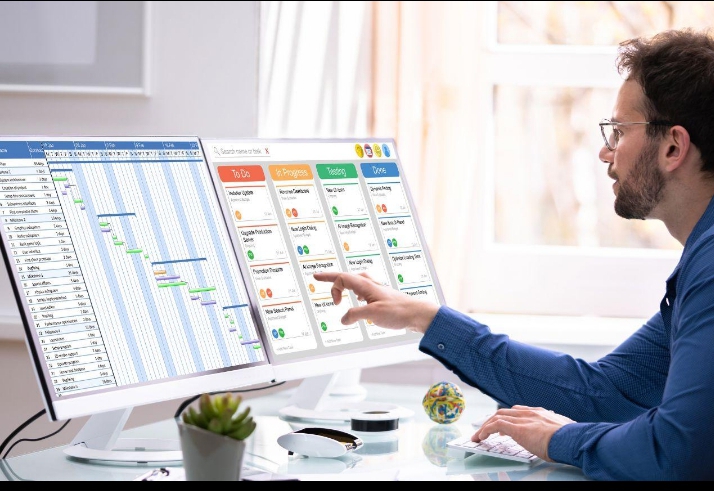
Planning is the foundation of successful execution.
During planning, define:
- Tasks
- Timeline
- Budget
- Resources
- Risks
- Responsibilities
A simple plan often performs better than a complicated one that nobody follows.
3. Project Execution
Execution is where the actual work happens.
Examples include:
- Writing articles
- Designing graphics
- Building a website
- Creating videos
- Developing software
Communication becomes especially important during this phase.
4. Monitoring and Controlling
Projects should be reviewed regularly.
Track:
- Completed tasks
- Deadlines
- Budget
- Quality
- Risks
Small problems are much easier to fix than major delays.
5. Project Closure
Once everything is completed:
- Review the results
- Document lessons learned
- Archive important files
- Celebrate achievements
- Evaluate performance
Closing a project properly improves future projects.
Essential Project Management Skills
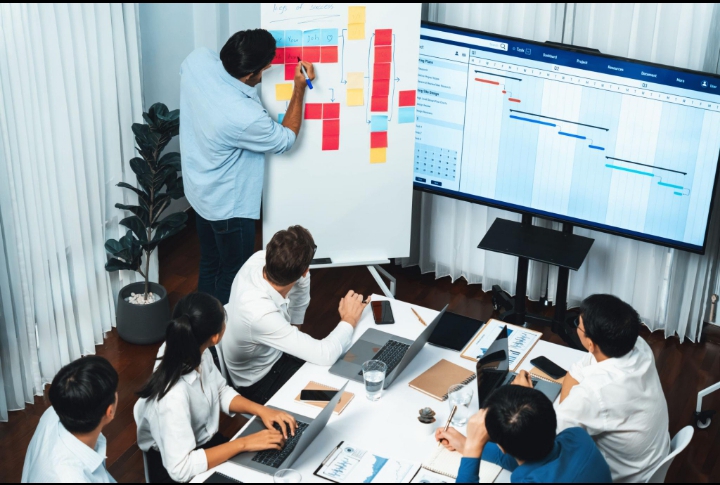
Successful project managers rely on practical skills rather than simply using software.
Communication
Clear communication reduces misunderstandings and keeps everyone aligned.
Time Management
Deadlines become easier to manage when tasks are prioritized correctly.
Leadership
Leadership means helping people work toward a shared objective, not simply assigning tasks.
Problem Solving
Unexpected challenges happen in every project. Good managers focus on solutions instead of panic.
Organization
Keeping files, documents, tasks, and deadlines organized saves significant time.
Popular Project Management Methodologies
Different projects benefit from different approaches.
Waterfall
Waterfall follows a linear sequence:
Planning → Design → Development → Testing → Launch
It works well when requirements are stable.
Agile
Agile focuses on flexibility and continuous improvement.
Instead of completing everything at once, work is divided into smaller iterations called sprints.
Agile is common in software and digital product development.
Kanban
Kanban organizes work visually using columns such as:
To Do → In Progress → Done
It is simple, flexible, and ideal for content creation and marketing workflows.
For beginners managing an online business, Kanban is often one of the easiest systems to adopt.
Best Project Management Tools
Modern tools make organizing projects much easier.
Asana
Asana helps teams organize tasks, assign responsibilities, create timelines, and monitor progress.
Official website: Asana .
Trello
Trello uses a Kanban board with drag-and-drop task management.
It is particularly beginner-friendly.
Official website: Trello .
Notion
Notion combines notes, databases, documentation, and project planning into one workspace.
Official website: Notion .
Microsoft Planner
Microsoft also provides planning tools inside the Microsoft productivity ecosystem for organizations using Microsoft 365.
For online entrepreneurs, these tools work well alongside our article Online Business Tools Every Beginner Needs in 2026.
Creating a Simple Project Plan
A beginner-friendly project plan can include these sections:
| Section | Example |
|---|---|
| Goal | Launch affiliate website |
| Deadline | 30 days |
| Tasks | Write, design, publish |
| Priority | High |
| Owner | Yourself |
| Status | In Progress |
Keep your plan easy to update rather than overly detailed.
Project Management for Bloggers
Bloggers can manage content like a project.
Example workflow:
- Keyword research
- Outline
- Writing
- Editing
- Images
- SEO optimization
- Publishing
- Promotion
This repeatable process improves consistency.
Common Project Management Mistakes
Avoid these common mistakes:
- Starting without a clear goal
- Ignoring deadlines
- Poor communication
- Trying to do everything at once
- Not tracking progress
- Skipping project reviews
Small improvements in planning often produce much better results than working longer hours.
Best Practices
Follow these habits consistently:
- Define one clear objective
- Break large projects into smaller tasks
- Set realistic deadlines
- Review progress weekly
- Use one reliable project management tool
- Document important decisions
- Learn from completed projects
Frequently Asked Questions
Is project management difficult for beginners?
No. Beginners can start with simple task lists and Kanban boards before learning advanced techniques.
Which project management tool is easiest?
Trello is often recommended for beginners because of its visual and simple interface.
Can project management improve productivity?
Yes. It helps organize priorities, reduce confusion, and complete important work more efficiently.
Do solo entrepreneurs need project management?
Absolutely. Even if you work alone, planning projects improves consistency and reduces missed deadlines.
Final Verdict
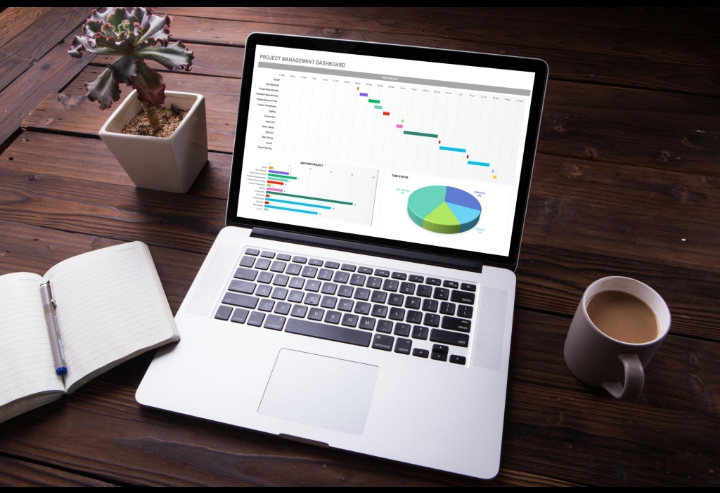
Project management is not only for large companies—it is a practical skill for bloggers, freelancers, affiliate marketers, students, and business owners. By combining clear goals, organized planning, effective communication, and the right tools, beginners can complete projects with greater confidence and better results.
For more guidance, explore the Project Management Institute at PMI and continue improving your workflow with our related articles on Productivity and Online Business Tools.
SEO Meta
SEO Title: Project Management: A Complete Guide for Beginners in 2026
Meta Description: Learn project management for beginners in 2026, including planning, Agile, Kanban, tools, project phases, and practical tips for managing successful projects.
Secondary Keywords: project management tools, Agile, Kanban, Trello, Asana, project planning, beginner project management