Introduction
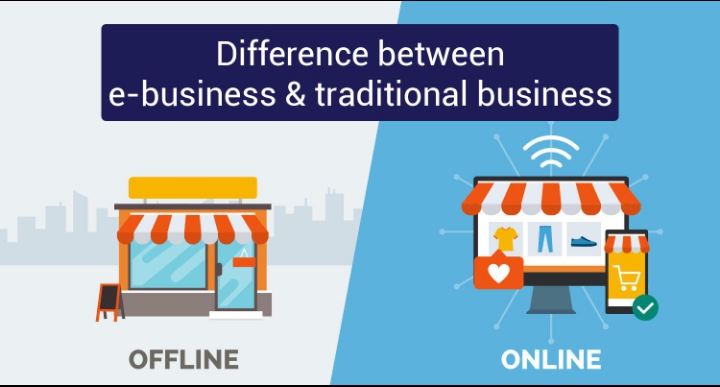
Choosing the right business model is one of the most important decisions an entrepreneur can make. In 2026, beginners have more options than ever before. You can start a traditional business with a physical location, build an e-commerce store online, or even combine both models.
E-commerce has changed the way people buy products and services. Customers can now discover products, compare prices, read reviews, and complete purchases from their phones or computers. At the same time, traditional businesses continue to play an important role because many customers still value physical stores, face-to-face communication, and the ability to see products before buying them.
So, which is better: e-commerce or traditional business?
The answer depends on your goals, budget, target customers, products, skills, and business strategy.
In this complete guide, we’ll compare e-commerce and traditional business in detail. You’ll learn how both models work, their advantages and disadvantages, startup costs, customer reach, marketing strategies, scalability, flexibility, risks, and which option may be better for beginners in 2026.
If you’re interested in starting an online business with a limited budget, you may also find How to Start an Online Business with Little Money helpful before choosing your business model.
What Is E-commerce?
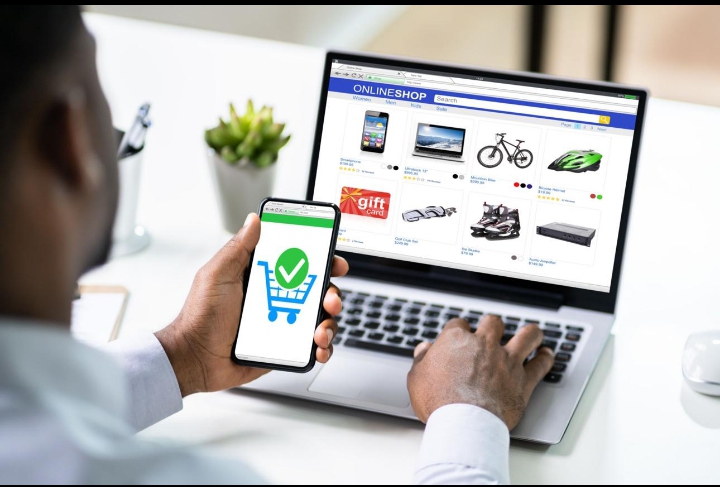
E-commerce, or electronic commerce, is the process of buying and selling products or services through the internet.
Instead of customers visiting a physical store, they can browse an online store, select products, make payments, and receive their orders through delivery services.
Common examples of e-commerce businesses include:
- Online clothing stores
- Electronics stores
- Digital product websites
- Subscription businesses
- Online marketplaces
- Dropshipping stores
- Print-on-demand businesses
E-commerce businesses can operate 24 hours a day, allowing customers to shop whenever it is convenient for them.
Another major advantage is that an online store can potentially reach customers outside the business owner’s local area.
What Is a Traditional Business?
A traditional business usually operates from a physical location where customers interact with the business directly.
Examples include:
- Retail stores
- Restaurants
- Salons
- Grocery stores
- Local repair shops
- Physical service businesses
- Small offices
Customers usually visit the business location to purchase products or receive services.
Traditional businesses can benefit from personal relationships, local reputation, and direct communication with customers.
For some industries, having a physical location remains extremely valuable because customers want immediate service or prefer interacting with businesses in person.
E-commerce vs Traditional Business: How Do They Work?
Although both models aim to generate revenue by selling products or services, their operations are very different.
How E-commerce Works
A typical e-commerce transaction follows this process:
- A customer discovers the online store.
- The customer browses products.
- They add products to the shopping cart.
- They complete the online payment.
- The business processes the order.
- The product is shipped to the customer.
- The customer receives the order.
The entire process can happen without the customer ever visiting a physical location.
How Traditional Business Works
A traditional business generally follows a more direct process:
- A customer discovers the physical business.
- The customer visits the location.
- They examine products or discuss services.
- They make a purchase.
- The business provides the product or service immediately.
This model creates direct interaction between the customer and business owner or employees.
Startup Costs
One of the biggest differences between e-commerce and traditional businesses is the amount of money required to get started.
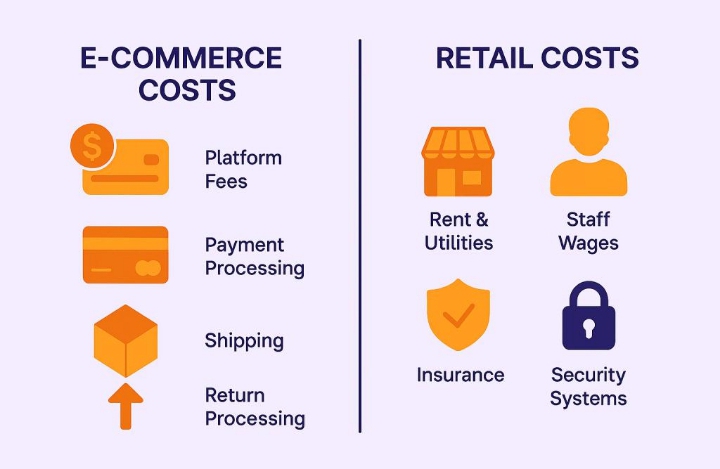
E-commerce Startup Costs
An e-commerce business can often be started with a relatively small budget.
Common expenses include:
- Domain name
- Web hosting
- Website development
- E-commerce platform fees
- Product costs
- Packaging
- Payment processing
- Marketing
The exact cost depends on the business model.
For example, a digital product business may require much less initial investment than an online store selling physical inventory.
Traditional Business Startup Costs
Traditional businesses often have higher initial costs because they may require a physical location.
Expenses can include:
- Rent
- Security deposit
- Store renovation
- Furniture
- Equipment
- Utilities
- Inventory
- Employee wages
- Business licenses
- Insurance
- Local advertising
These costs can make traditional businesses more expensive for beginners.
Which Has Lower Startup Costs?
In many cases, e-commerce has the advantage when it comes to startup costs.
An entrepreneur can start an online business from home without renting a commercial location.
However, lower startup costs do not automatically mean that e-commerce is easier. Online businesses still require investment in quality products, marketing, website maintenance, customer support, and other operating expenses.
The right choice depends on your specific business model and financial situation.
Customer Reach
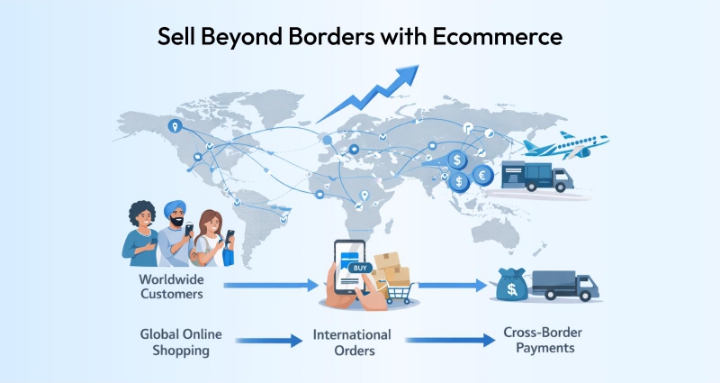
Customer reach is another major difference between e-commerce and traditional business.
E-commerce Has Global Reach
An online store can potentially attract customers from different cities, countries, and regions.
This creates opportunities for businesses to expand beyond their local market.
For example, a small online store selling digital products can serve customers around the world without opening additional physical locations.
Traditional Business Usually Focuses on Local Customers
Traditional businesses typically depend more heavily on customers who live or work near their physical location.
For example, a local restaurant may primarily serve people within its surrounding area.
This isn’t necessarily a disadvantage. Local businesses can build strong relationships with nearby customers and develop loyal communities.
24/7 Availability
Another major advantage of e-commerce is that an online store can remain accessible around the clock.
Customers can:
- Browse products at night
- Compare prices
- Place orders on weekends
- Purchase products while traveling
- Access digital products immediately
A traditional store, however, usually operates according to specific opening and closing hours.
This means e-commerce provides greater flexibility for customers who prefer shopping outside normal business hours.
Flexibility and Location
E-commerce generally provides greater location flexibility.
An entrepreneur can manage many aspects of an online business from home, a coworking space, or another location with a reliable internet connection.
Traditional businesses usually require the owner or employees to be physically present at the business location.
This makes e-commerce particularly attractive to entrepreneurs who value remote work and flexible schedules.
P
E-commerce vs Traditional Business: Full Comparison for Beginners in 2026
Marketing Comparison
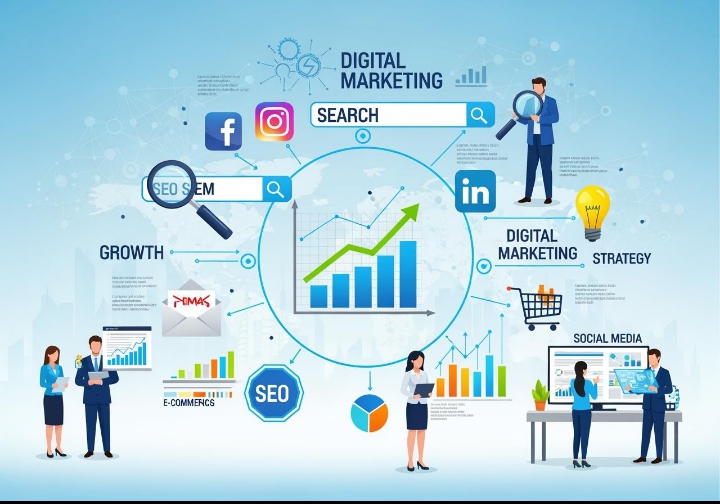
Marketing is essential for both e-commerce and traditional businesses, but the strategies used are often very different.
E-commerce Marketing
Online businesses can use digital marketing channels to reach highly targeted audiences.
Common strategies include:
- Search engine optimization (SEO)
- Pinterest marketing
- Social media marketing
- Email marketing
- Content marketing
- Affiliate marketing
- Paid online advertising
One major advantage is that digital marketing allows businesses to measure results. You can often see how many people viewed an advertisement, clicked a link, visited your website, or completed a purchase.
For example, if you’re building an online business around affiliate marketing, your website can attract visitors through Google and Pinterest and then direct interested readers toward relevant products.
Our guide Affiliate Marketing Explained for Beginners: 10 Proven Steps to Success explains how this business model works.
Traditional Business Marketing
Traditional businesses can use both offline and online marketing.
Examples include:
- Posters and flyers
- Local newspapers
- Business cards
- Radio advertising
- Local events
- Word-of-mouth recommendations
- Social media
- Google Business Profile
Traditional marketing can be especially effective for businesses that depend on local customers.
Customer Experience
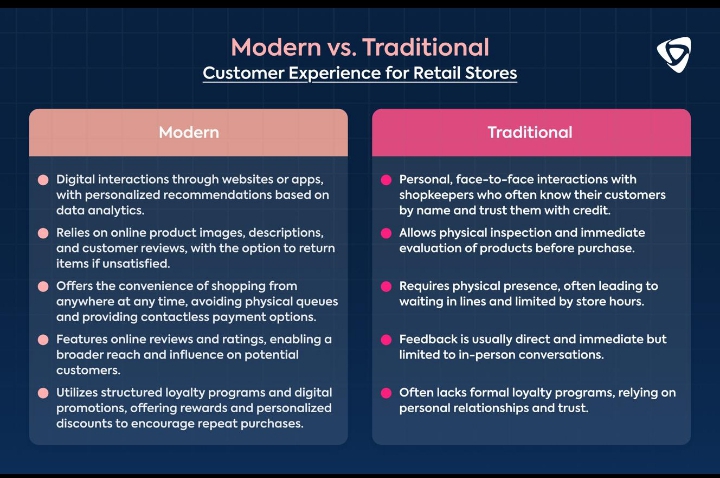
Customer experience can be excellent in both business models, but customers interact with each one differently.
E-commerce Customer Experience
Online customers value convenience.
They want to:
- Find products quickly
- See clear images
- Read descriptions
- Compare prices
- Read reviews
- Complete payments easily
- Receive products on time
A professional website can make the buying process simple and convenient.
However, customers cannot physically touch or examine most products before purchasing. This can sometimes make building trust more difficult.
Traditional Business Customer Experience
Traditional businesses provide direct human interaction.
Customers can:
- See products physically
- Ask questions immediately
- Receive personal recommendations
- Try certain products before purchasing
- Get face-to-face assistance
This personal interaction can create strong customer relationships.
For some businesses, this experience is difficult to reproduce online.
Scalability

Scalability refers to how easily a business can grow without increasing costs at the same rate.
E-commerce Scalability
E-commerce has strong scalability potential.
An online store can add new products, target new markets, and attract more customers without necessarily opening another physical location.
For example, a website that initially serves 100 customers can potentially grow to thousands of customers with the right systems, marketing, inventory, and customer support.
Digital products can be even easier to scale because they don’t require physical inventory for every additional customer.
Traditional Business Scalability
Traditional businesses can also grow, but expansion often requires additional resources.
A business may need:
- Larger premises
- More employees
- Additional equipment
- More inventory
- New physical locations
These requirements can make expansion more expensive.
For this reason, e-commerce often has an advantage when it comes to rapid scalability.
Inventory Management
Inventory is an important consideration for businesses selling physical products.
E-commerce Inventory
Online stores may need to manage:
- Product storage
- Packaging
- Shipping
- Returns
- Stock levels
- Supplier relationships
However, some e-commerce models reduce the need for inventory.
Dropshipping
With dropshipping, the supplier stores and ships the products directly to customers.
Print-on-Demand
Products are produced only after a customer places an order.
These models can reduce upfront inventory costs, although they also come with their own challenges and limitations.
Traditional Business Inventory
Traditional stores usually need products available at their physical locations.
This can require significant investment in inventory and storage.
Businesses must carefully estimate demand to avoid having too much unsold stock or running out of popular products.
Advantages of E-commerce
E-commerce offers several important advantages for entrepreneurs.
Lower Physical Overhead
An online business doesn’t necessarily require a retail storefront.
This can reduce expenses such as rent, utilities, and physical maintenance.
Wider Market
An e-commerce business can reach customers beyond its immediate local area.
Flexible Working
Many online businesses can be managed remotely.
24/7 Availability
Customers can access an online store at any time.
Easier Data Tracking
Digital platforms provide valuable information about visitors, products, and marketing performance.
Multiple Business Models
Entrepreneurs can choose from different models, including:
- E-commerce stores
- Dropshipping
- Print-on-demand
- Digital products
- Affiliate marketing
Advantages of Traditional Business
Traditional businesses also have important strengths.
Personal Customer Relationships
Face-to-face interaction can help businesses build strong relationships with customers.
Immediate Product Access
Customers can often purchase and receive products immediately.
Local Reputation
A successful local business can build strong word-of-mouth recognition.
Physical Product Experience
Customers can see, touch, test, or try certain products before purchasing.
Strong Community Connection
Local businesses can become an important part of their communities.
Disadvantages of E-commerce
Although e-commerce offers many opportunities, it also has challenges.
High Online Competition
The internet gives customers access to thousands of businesses, making competition intense.
Building Trust Can Take Time
New websites may need reviews, helpful content, secure payment options, and strong customer service to establish credibility.
Shipping Problems
Physical products can experience delays, damaged packages, or delivery issues.
Technical Problems
Website downtime, payment errors, or security problems can negatively affect customers.
Digital Marketing Skills Are Important
Business owners often need to understand SEO, content marketing, social media, or paid advertising to attract visitors.
Disadvantages of Traditional Business
Traditional businesses face their own challenges.
Higher Operating Costs
Rent, utilities, employees, maintenance, and physical inventory can increase expenses.
Limited Opening Hours
Customers cannot normally shop whenever they want.
Limited Geographic Reach
A physical location usually depends heavily on nearby customers.
Expansion Can Be Expensive
Opening additional locations requires significant investment.
Location Matters
A poor location can negatively affect customer traffic and sales.
Profit Potential
Both e-commerce and traditional businesses can be profitable.
However, profitability depends on factors such as:
- Business model
- Product demand
- Pricing
- Operating costs
- Marketing
- Customer retention
- Competition
- Management
E-commerce can benefit from lower physical overhead and a wider potential audience.
Traditional businesses can benefit from local loyalty, direct customer relationships, and immediate product or service delivery.
The most profitable option isn’t necessarily the one with the lowest startup cost. The best option is the one that matches your market, resources, skills, and long-term strategy.
Which Business Model Is Easier to Start?
For many beginners, e-commerce can be easier to start because you can begin with a small website and gradually expand.
For example, a beginner could start by:
- Choosing a specific niche.
- Creating a website.
- Publishing helpful content.
- Adding products or affiliate offers.
- Promoting the website through SEO and Pinterest.
- Analyzing traffic and improving the strategy.
However, “easier to start” doesn’t mean “guaranteed to succeed.”
Every business requires learning, testing, marketing, customer service, and consistent effort.
P
E-commerce vs Traditional Business: Full Comparison for Beginners in 2026
E-commerce vs Traditional Business: Detailed Comparison
Now that we’ve looked at the advantages, disadvantages, costs, customer experience, and scalability of both models, it’s useful to compare them directly.
| Factor | E-commerce | Traditional Business |
|---|---|---|
| Startup cost | Usually lower | Usually higher |
| Location | Can operate remotely | Usually requires a physical location |
| Customer reach | Local and global | Mainly local |
| Opening hours | 24/7 | Usually fixed hours |
| Marketing | Mostly digital | Online and offline |
| Customer interaction | Mainly online | Face-to-face |
| Scalability | Often easier | Usually more expensive |
| Physical product experience | Limited | Strong |
| Operating costs | Can be lower | Often higher |
| Competition | High online competition | Often local competition |
| Flexibility | High | Lower |
| Data tracking | Detailed digital data | More limited |
| Delivery | Usually required for physical products | Often immediate |
| Expansion | Can be relatively fast | May require new locations |
This comparison shows that neither model is automatically better in every situation.
The right choice depends on the type of business you want to build.
Which Is Better for Beginners?
For many beginners, e-commerce can be an attractive starting point because it offers flexibility, lower physical overhead, and access to a much larger potential market.
You can start small and increase your investment as your business grows.
For example, a beginner might start with a simple online store, a digital product, or an affiliate website instead of investing heavily in physical inventory.
However, traditional business may be the better option if your business depends on physical interaction or immediate local service.
For example, a restaurant, barber shop, repair shop, or local grocery store generally needs a physical location to operate effectively.
When E-commerce Is the Better Choice
E-commerce may be a good option if you:
- Have a limited startup budget
- Want to work remotely
- Want access to a wider audience
- Enjoy digital marketing
- Want flexible working hours
- Plan to sell digital products
- Want to build an online brand
- Want to scale beyond your local market
It can also be useful for entrepreneurs who want to combine different income sources.
For example, you could operate a blog, promote affiliate products, sell digital products, and generate traffic through Pinterest and search engines.
When Traditional Business Is the Better Choice
Traditional business may be more suitable when customers need direct interaction or physical access to products and services.
It may be a better choice if you:
- Prefer face-to-face communication
- Have a strong local market
- Provide physical services
- Sell products customers want to examine before purchasing
- Already have access to a suitable business location
- Have enough capital for physical operations
A strong local customer base can provide a significant advantage that purely online businesses may find difficult to replicate.
The Hybrid Business Model
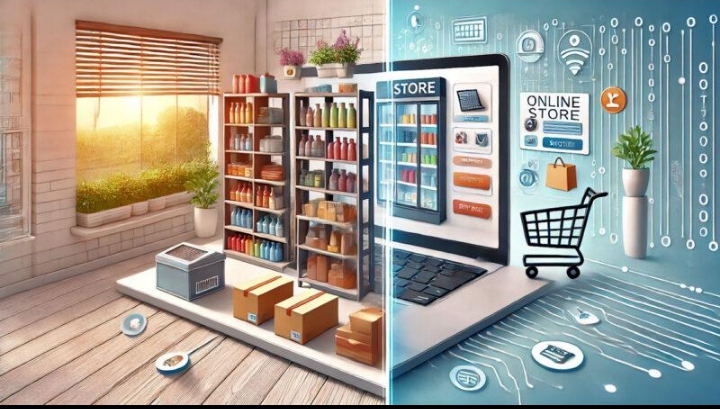
You don’t always have to choose between e-commerce and traditional business.
A hybrid model combines both.
For example, a physical clothing store could create an online store and allow customers to order products through the website.
A restaurant could accept online orders and provide delivery while continuing to serve customers at its physical location.
A local service provider could use a website to generate leads while continuing to provide services in person.
This approach allows businesses to benefit from both online and offline channels.
Benefits of Combining Online and Traditional Business
A hybrid business can provide several advantages.
More Customer Touchpoints
Customers can discover your business through Google, social media, Pinterest, your website, or your physical location.
Greater Convenience
Customers can research products online before visiting your store.
Additional Revenue
An online store can generate sales even when your physical location is closed.
Stronger Brand Presence
Having both an online and physical presence can increase brand visibility and credibility.
Better Customer Data
Online systems can provide information about customer behavior that can help improve marketing decisions.
Common Mistakes Beginners Should Avoid
Choosing the wrong business model isn’t the only mistake beginners make. Poor planning can create problems regardless of whether you choose e-commerce or traditional business.
Choosing a Business Based Only on Trends
A business idea may become popular online, but popularity doesn’t guarantee profitability.
Research demand, competition, costs, and your target audience before investing money.
Ignoring Operating Costs
Beginners sometimes focus only on startup costs.
You should also calculate ongoing expenses such as:
- Marketing
- Website hosting
- Inventory
- Shipping
- Software
- Rent
- Employee costs
- Payment processing
- Maintenance
Understanding your total operating costs helps you create a realistic business plan.
Trying to Serve Everyone
A clear target audience makes marketing much easier.
Instead of trying to sell to everyone, identify a specific group of customers and understand their needs.
For example, instead of targeting everyone interested in business, you could focus on beginners who want to start an online business with a small budget.
Ignoring Marketing
Even an excellent product can fail if potential customers don’t know it exists.
Create a marketing strategy before launching.
For an online business, this could include SEO, Pinterest, social media, email marketing, and content marketing.
If you’re interested in learning more about online marketing, your article Online Business Tools Every Beginner Needs in 2026 can also support readers who want to understand the tools needed to promote and manage an online business.
How to Choose the Right Business Model in 2026
Before making your decision, ask yourself several important questions.
What Is Your Budget?
If your budget is limited, an online model may allow you to start with fewer physical expenses.
Who Is Your Target Customer?
If your customers are spread across different locations, e-commerce may provide a larger opportunity.
If your customers are mainly local, a traditional business may work well.
What Are You Selling?
Digital products are naturally suited to e-commerce.
Physical products can work with either model.
Local services may benefit more from a traditional or hybrid model.
What Skills Do You Have?
If you enjoy technology, content creation, SEO, and digital marketing, e-commerce may be a natural fit.
If you enjoy face-to-face communication and local networking, traditional business may suit you better.
How Quickly Do You Want to Scale?
If your goal is to reach customers in multiple locations without opening physical stores, e-commerce may provide greater flexibility.
E-commerce and Traditional Business in 2026
The business environment in 2026 is increasingly digital.
Consumers use search engines, social media, websites, mobile devices, and online marketplaces to discover products and services.
This doesn’t mean traditional businesses are disappearing.
Instead, successful businesses are increasingly combining physical and digital experiences.
A local business with a professional website, strong online reviews, social media presence, and online ordering can compete more effectively than a business that relies only on its physical location.
For online entrepreneurs, this creates an opportunity to build a business around content, SEO, e-commerce, affiliate marketing, and other digital strategies.
Focus on Long-Term Value
Whether you choose e-commerce or traditional business, don’t focus only on making quick money.
Build a business that provides genuine value.
This means:
- Understanding your customers
- Offering useful products or services
- Providing good customer support
- Being transparent about pricing
- Protecting customer information
- Improving your products over time
- Building a trustworthy brand
Long-term businesses are built on customer satisfaction and trust rather than short-term tactics.
P
E-commerce vs Traditional Business: Full Comparison for Beginners in 2026
Frequently Asked Questions
Is E-commerce Better Than Traditional Business?
Neither model is automatically better for everyone. E-commerce is often more suitable for beginners who want lower physical overhead, flexible working, and access to a wider audience.
Traditional business can be better for businesses that depend on local customers, physical locations, or face-to-face services.
The best choice depends on your budget, skills, products, customers, and long-term goals.
Is E-commerce Cheaper to Start?
In many cases, yes. An e-commerce business can be started without renting a physical store, which can significantly reduce initial expenses.
However, you may still need to pay for a domain, hosting, website tools, products, payment processing, marketing, packaging, and shipping.
The total cost depends on the type of e-commerce business you choose.
Can I Start an E-commerce Business With Little Money?
Yes. Some e-commerce models require relatively little upfront investment.
For example, beginners can explore:
- Digital products
- Affiliate marketing
- Print-on-demand
- Dropshipping
- Small online stores
Starting small allows you to test your idea before making a larger investment.
If you want to learn how to start with a limited budget, see How to Start an Online Business with Little Money.
Can a Traditional Business Also Sell Online?
Absolutely. A traditional business can create an online presence and sell products or accept bookings through a website.
For example, a physical clothing store can add an online store, while a restaurant can offer online ordering and delivery.
This creates a hybrid business model that combines the advantages of online and offline operations.
Which Business Has More Growth Potential?
E-commerce generally has greater potential to reach customers across different locations without opening additional physical stores.
However, growth still depends on demand, competition, marketing, product quality, customer service, and business management.
A traditional business can also grow significantly, particularly when it develops a strong local reputation or expands into multiple locations.
Is E-commerce More Difficult Than Traditional Business?
Both have different challenges.
E-commerce requires skills such as website management, digital marketing, SEO, online customer service, and sometimes shipping management.
Traditional businesses often require skills related to location management, inventory, employees, rent, and face-to-face customer service.
The easier option depends on your existing skills and resources.
Can I Run an E-commerce Business From Home?
Yes. Many online businesses can be operated from home, especially businesses based on digital products, affiliate marketing, content creation, and certain e-commerce models.
As the business grows, you may eventually need additional storage, employees, or external services depending on your business model.
Final Verdict: E-commerce vs Traditional Business
E-commerce and traditional businesses both offer valuable opportunities in 2026, but they suit different types of entrepreneurs.
E-commerce is often the better choice for beginners who want:
- Lower physical overhead
- Flexible working arrangements
- A wider potential audience
- 24/7 availability
- Digital marketing opportunities
- Easier online scalability
Traditional business may be better for entrepreneurs who want:
- Face-to-face customer relationships
- A strong local presence
- Immediate product or service delivery
- Physical customer experiences
- Community-based business opportunities
There is also a third option: combine both models.
A hybrid business can use a physical location to build local relationships while using a website, social media, SEO, and online sales to reach more customers.
For many modern businesses, this combination can be particularly powerful.
Which One Should a Beginner Choose?
If you’re a beginner with a limited budget and you’re interested in working online, e-commerce or another online business model may be the most practical place to start.
You don’t necessarily need a physical store, a large team, or a huge inventory.
You can start small, learn how customers respond to your idea, and gradually reinvest your earnings into the business.
However, don’t choose e-commerce simply because it appears easier or cheaper.
Choose a business model that matches:
- Your budget
- Your skills
- Your interests
- Your target audience
- Your products or services
- Your long-term goals
A well-planned traditional business can be more successful than a poorly planned online business.
The business model is important, but execution, customer value, marketing, and consistency matter even more.
Conclusion

The difference between e-commerce and traditional business is becoming less clear as businesses increasingly combine online and offline strategies.
E-commerce provides flexibility, wider market access, 24/7 availability, and strong scalability potential. Traditional businesses provide personal interaction, local relationships, physical experiences, and immediate service.
For beginners in 2026, e-commerce can be an attractive option because you can start small and reach customers beyond your local area. However, traditional businesses remain highly valuable for industries where customers need physical products or face-to-face services.
The best approach is to understand your market before investing heavily. Research your customers, calculate your costs, study your competitors, and choose a model that you can realistically manage.
If you decide to build an online business, focus on creating useful content, developing a professional website, using SEO, and building trust with your audience. Your article Online Business Tools Every Beginner Needs in 2026 can help you identify the tools required to manage and grow an online business.
Ultimately, successful businesses are not built simply by choosing e-commerce or traditional business. They are built by solving real customer problems, providing quality products or services, and consistently improving the customer experience.
SEO Title
E-commerce vs Traditional Business: Full Comparison for Beginners in 2026
Meta Description
E-commerce vs traditional business explained for beginners in 2026. Compare costs, reach, flexibility, marketing, scalability, customer experience, advantages, disadvantages, and choose the right business model.