Discover the best online business tools every beginner needs in 2026. Learn which tools help with website building, SEO, content creation, email marketing, analytics, and productivity to grow your online business faster.
Introduction
Starting an online business is easier today than ever before, but success depends on more than just having a great idea. Using the right tools can save time, improve productivity, automate repetitive tasks, and help your business grow more efficiently.
Many beginners make the mistake of trying to do everything manually. While this may work at the beginning, it quickly becomes difficult as your website, audience, and workload increase. Professional entrepreneurs rely on trusted tools to simplify daily tasks and focus on growing their businesses.
Whether you’re building a blog, launching an e-commerce store, promoting affiliate products, or creating digital content, the right tools can help you work smarter rather than harder.
In this guide, you’ll discover the essential online business tools every beginner should consider in 2026, understand what each tool does, and learn how they can support your long-term business goals.
If you’re still exploring business opportunities, you may also enjoy reading Profitable Online Business Ideas for Beginners (2026 Guide) before choosing the tools that best fit your business model.
Why Online Business Tools Matter

Running an online business involves many different tasks every day.
These include:
- Creating content
- Managing your website
- Optimizing SEO
- Tracking website traffic
- Designing graphics
- Managing social media
- Communicating with customers
- Monitoring business performance
Trying to manage all these tasks without proper tools often leads to wasted time and unnecessary frustration.
The right tools help automate workflows, improve accuracy, and allow you to focus on growing your business instead of handling repetitive work.
Website Building Tools
Your website is the foundation of your online business.
Choosing a reliable website platform makes it easier to publish content, customize your design, and manage your business as it grows.
A good website builder should offer:
- Mobile-friendly design
- Fast loading speed
- Easy customization
- SEO-friendly structure
- Secure updates
- Flexible plugin support
For beginners, choosing a user-friendly platform can significantly reduce the learning curve.
If you’re planning to launch an online store, our article Shopify vs WooCommerce: The Ultimate Comparison for 2026 explains two of the most popular website platforms.
SEO Tools

Search Engine Optimization (SEO) is one of the most effective ways to attract free, long-term traffic.
SEO tools help you:
- Research keywords
- Optimize articles
- Find technical issues
- Improve search visibility
- Monitor rankings
Instead of guessing which keywords people search for, SEO tools provide valuable insights that help you create content your audience is already looking for.
Publishing helpful, optimized articles consistently can generate traffic for months or even years.
If you’re new to SEO, our guide Pinterest Marketing for Beginners: Get Free Traffic Fast also explains how SEO works alongside Pinterest to increase website traffic.
Content Writing Tools

Creating valuable content is essential for every online business.
Writing tools can help you:
- Improve grammar
- Organize ideas
- Increase readability
- Generate content outlines
- Check spelling
- Improve writing clarity
Although tools can speed up the writing process, your personal experience and helpful insights are what make content valuable.
Always write for people first and optimize for search engines second.
Graphic Design Tools

Professional visuals improve your brand and make your content more engaging.
Graphic design tools can help you create:
- Blog featured images
- Pinterest Pins
- Social media graphics
- Infographics
- Logos
- Website banners
- Marketing materials
Consistent branding across your website and social media helps build trust with your audience.
Email Marketing Tools
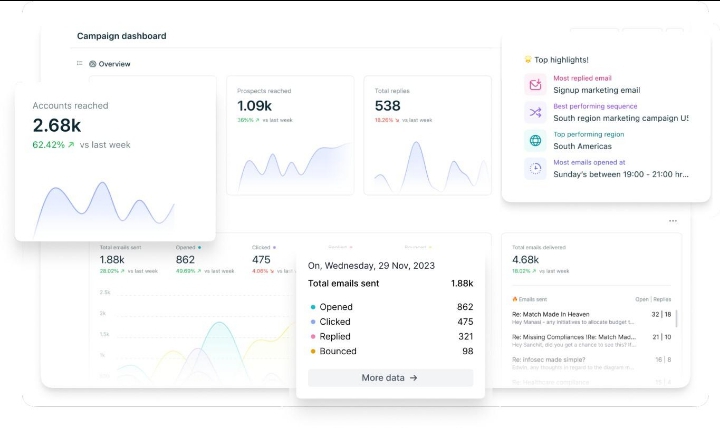
Email marketing remains one of the highest-converting digital marketing channels.
Building an email list allows you to:
- Share new blog posts
- Promote products
- Build customer relationships
- Increase repeat visitors
- Grow long-term revenue
Unlike social media platforms, your email list is an audience you own and control.
Starting an email list early can become one of your most valuable business assets.
Analytics Tools
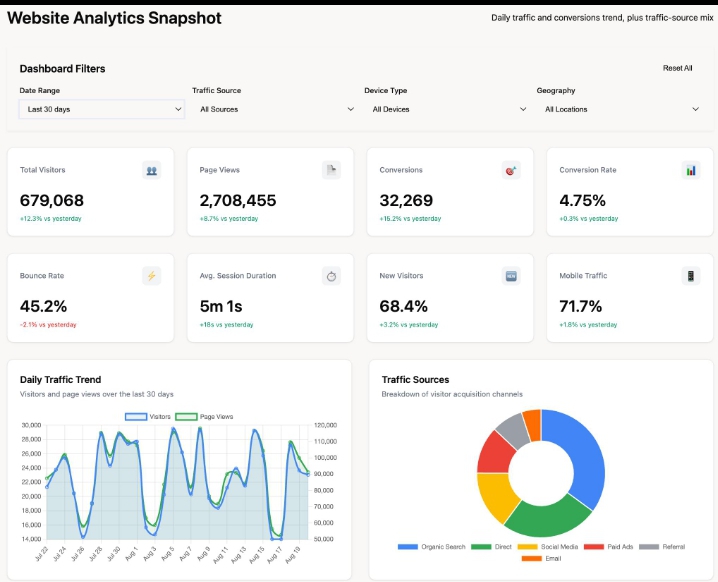
Understanding your visitors helps you make better business decisions.
Analytics tools provide information such as:
- Number of visitors
- Traffic sources
- Most popular articles
- User behavior
- Device types
- Audience location
Monitoring these metrics helps you identify what’s working and where improvements are needed.
If your goal is to grow organic traffic, reviewing analytics regularly is just as important as publishing new content.
➡️
AI Tools
Artificial intelligence (AI) has become an essential part of running an online business in 2026. AI tools help beginners complete tasks faster, improve productivity, and reduce the time spent on repetitive work.
You can use AI to:
- Generate content ideas
- Create article outlines
- Improve grammar and readability
- Brainstorm marketing strategies
- Summarize research
- Generate social media captions
- Translate content
While AI can speed up your workflow, always review and edit the output to ensure it is accurate, original, and valuable for your audience.
Social Media Management Tools
Promoting your content consistently across multiple platforms can be time-consuming.
Social media management tools help you:
- Schedule posts in advance
- Manage multiple accounts
- Monitor engagement
- Track performance
- Maintain a consistent posting schedule
Instead of logging into every platform separately, these tools allow you to manage your social media strategy from one dashboard.
For additional traffic strategies, you may also enjoy our guide Pinterest Marketing for Beginners: Get Free Traffic Fast, which explains how Pinterest can become a reliable source of long-term visitors.
Keyword Research Tools
Keyword research is one of the most important parts of SEO.
Keyword tools help you discover:
- What people are searching for
- Search volume
- Keyword difficulty
- Related search terms
- Long-tail keywords
- Content opportunities
Targeting the right keywords increases your chances of ranking higher in search engines and attracting the right audience.
Instead of choosing keywords based on guesswork, rely on data to create content that answers real search queries.
Website Security Tools
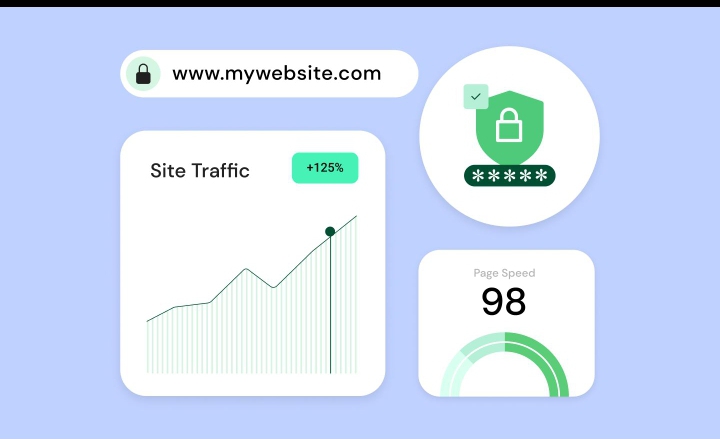
Protecting your website is just as important as creating great content.
Security tools help safeguard your website from:
- Malware
- Spam
- Unauthorized logins
- Brute-force attacks
- Data loss
Regular website backups are equally important. Having a recent backup allows you to restore your website quickly if something unexpected happens.
A secure website builds trust with both visitors and search engines.
Website Speed Optimization Tools
Website speed has a significant impact on user experience and SEO.
A slow website may increase bounce rates and reduce search rankings.
Performance tools can help you:
- Optimize images
- Improve loading speed
- Enable caching
- Reduce unnecessary code
- Monitor website performance
Fast-loading pages improve visitor satisfaction and increase the likelihood that users will continue exploring your website.
Project Management Tools

As your online business grows, staying organized becomes increasingly important.
Project management tools help you:
- Plan content calendars
- Organize business tasks
- Track deadlines
- Manage ongoing projects
- Collaborate with team members
Even if you’re working alone, keeping your projects organized helps improve productivity and reduces missed deadlines.
Cloud Storage Tools
Running an online business means managing important files such as images, documents, videos, and website backups.
Cloud storage allows you to:
- Store files securely
- Access documents from any device
- Share files easily
- Create backups
- Organize business resources
Using cloud storage also reduces the risk of losing valuable business data if your computer experiences problems.
Communication Tools
Clear communication is essential when working with clients, business partners, freelancers, or customers.
Communication tools help you:
- Respond quickly
- Organize conversations
- Share files
- Hold online meetings
- Improve customer support
Good communication strengthens professional relationships and improves customer satisfaction.
Productivity Tools
Productivity tools help you stay focused and complete more work in less time.
These tools can assist with:
- Task management
- Note-taking
- Time tracking
- Goal planning
- Daily scheduling
- Team collaboration
Developing productive habits is just as important as choosing the right business idea.
Choose Tools Based on Your Business Goals
One of the biggest mistakes beginners make is signing up for too many tools at once.
Instead, start with only the tools you truly need.
For example:
- Bloggers should prioritize SEO, writing, analytics, and image design tools.
- Affiliate marketers should focus on keyword research, analytics, and content creation tools.
- E-commerce businesses may need inventory, payment, and customer management tools.
- Digital product creators often benefit from design, email marketing, and automation tools.
Choosing tools that align with your business model saves money and helps you stay productive.
If you’re still deciding which business model to pursue, our guide Profitable Online Business Ideas for Beginners (2026 Guide) compares several beginner-friendly opportunities.
➡️
Common Mistakes When Choosing Online Business Tools
Many beginners believe that using more tools automatically leads to better results. In reality, choosing too many tools often creates unnecessary complexity and increases costs.
Avoid these common mistakes when building your online business toolkit.
Paying for Expensive Tools Too Early
Many premium tools offer excellent features, but beginners don’t always need them.
Start with reliable free or affordable tools, learn how to use them effectively, and upgrade only when your business grows and requires additional features.
Using Too Many Tools
Managing ten different tools for similar tasks can slow your workflow instead of improving it.
Choose tools that integrate well together and solve your most important business needs.
A simple and organized workflow is usually more productive than a complicated one.
Ignoring Learning Resources
Even the best tools won’t improve your business if you don’t know how to use them properly.
Spend time learning through:
- Official tutorials
- Documentation
- Video guides
- Practice projects
Developing your skills will help you get the maximum value from every tool you use.
Forgetting Security
Business tools often contain important information such as customer data, passwords, financial records, and website access.
Protect your accounts by:
- Using strong passwords
- Enabling two-factor authentication
- Updating software regularly
- Backing up important files
Good security habits protect your business from unnecessary risks.
Build an Efficient Workflow
Using tools effectively is not just about installing software—it’s about creating a workflow that saves time and reduces repetitive work.
A simple workflow might look like this:
- Research keywords before writing.
- Create a content outline.
- Write and edit your article.
- Optimize the article for SEO.
- Design featured images.
- Publish the article.
- Promote it on Pinterest and social media.
- Monitor traffic and performance.
- Update the content regularly.
Following a structured process helps maintain consistency and improve productivity.
Automate Repetitive Tasks
Automation allows you to spend more time growing your business instead of repeating the same tasks every day.
You can automate activities such as:
- Email welcome messages
- Social media scheduling
- Website backups
- File synchronization
- Marketing workflows
- Content publishing reminders
Automation reduces human error while helping your business operate more efficiently.
Monitor Your Business Performance
Every successful online business measures its progress.
Instead of making decisions based on assumptions, use your analytics and business tools to evaluate your performance.
Track important metrics such as:
- Website traffic
- Search engine rankings
- Conversion rates
- Affiliate commissions
- Email subscribers
- Visitor engagement
Reviewing these numbers regularly helps you identify opportunities for improvement.
If you’re focusing on increasing organic traffic, our guide Pinterest Marketing for Beginners: Get Free Traffic Fast explains how Pinterest can become an additional source of free visitors.
Continue Learning New Skills
Technology changes rapidly, and new tools appear every year.
Successful entrepreneurs invest time in learning skills such as:
- SEO
- Content marketing
- AI productivity
- Website optimization
- Email marketing
- Graphic design
- Digital advertising
- Data analysis
The more knowledge you gain, the more effectively you’ll use your business tools.
Build a Scalable Online Business
One advantage of using professional business tools is scalability.
As your audience and business grow, your tools can help you manage:
- More website visitors
- Larger email lists
- Additional products
- More marketing campaigns
- Increased customer communication
A scalable system allows your business to grow without dramatically increasing your workload.
Best Practices for Choosing Online Business Tools
To get the best results, follow these practical recommendations:
- Choose tools that solve real business problems.
- Prioritize ease of use over unnecessary features.
- Use secure and trusted platforms.
- Keep your tools updated.
- Back up important business data regularly.
- Review your subscriptions and remove tools you no longer use.
- Focus on learning one tool thoroughly before adding another.
- Continuously improve your workflow as your business expands.
These habits will help you stay organized, reduce costs, and build a more efficient online business.
➡️
Frequently Asked Questions
What Are the Most Important Online Business Tools for Beginners?
The most essential tools depend on your business model, but most beginners benefit from tools for:
- Website building
- SEO
- Content writing
- Graphic design
- Analytics
- Email marketing
- Project management
- Website security
Starting with these categories gives you a strong foundation for building and growing an online business.
Do I Need Paid Tools to Start an Online Business?
No. Many beginners successfully launch their online businesses using free or low-cost tools.
As your website grows and your business generates income, you can gradually upgrade to premium tools that offer additional features and automation.
The most important investment is learning how to use your tools effectively.
Which Tools Help Improve SEO?
SEO tools can help you:
- Find profitable keywords
- Optimize your articles
- Identify technical issues
- Monitor search rankings
- Improve website performance
Using SEO tools together with high-quality content increases your chances of attracting long-term organic traffic.
How Many Tools Should I Use?
Avoid installing too many tools at once.
Instead, choose only the tools that support your current business goals.
As your business grows, you can add new tools when they provide clear value and improve your workflow.
A simple, organized system is usually more productive than managing dozens of different applications.
Can AI Tools Replace Human Creativity?
AI tools are excellent assistants, but they cannot fully replace human creativity, personal experience, or critical thinking.
Use AI to improve productivity, generate ideas, and automate repetitive tasks, but always review and personalize your content before publishing.
Google values original, helpful, and trustworthy content created for real users.
Final Verdict
Using the right online business tools can significantly improve your productivity and help you build a more efficient business. Instead of trying to do everything manually, use tools that simplify your workflow, automate repetitive tasks, and allow you to focus on creating value for your audience.
Remember that tools alone do not guarantee success. The most successful entrepreneurs combine reliable tools with consistent effort, continuous learning, and a commitment to publishing high-quality content.
If you’re just getting started, begin with a small set of essential tools and master them before expanding your toolkit. As your business grows, your systems and processes will become more efficient, allowing you to scale with confidence.
To continue learning, you may also find How to Start an Online Business with Little Money helpful if you’re launching your first website. If your goal is to attract more organic visitors, Pinterest Marketing for Beginners: Get Free Traffic Fast explains how Pinterest can become a valuable source of long-term traffic.
Conclusion

Every successful online business relies on the right combination of tools, skills, and strategy. Whether you’re building a blog, starting an affiliate marketing website, launching an e-commerce store, or selling digital products, the tools you choose can save time, improve efficiency, and support long-term growth.
Start with the essentials, focus on solving real problems for your audience, and continue improving your knowledge as new technologies emerge. The digital world evolves quickly, and entrepreneurs who keep learning and adapting are the ones most likely to succeed.
By selecting the right online business tools and using them consistently, you’ll be better prepared to build a productive, scalable, and profitable online business in 2026 and beyond.
SEO Title
Online Business Tools Every Beginner Needs in 2026: Essential Tools for Success
Meta Description
Discover the best online business tools every beginner needs in 2026. Learn which tools help with website building, SEO, content creation, AI, email marketing, analytics, productivity, and business growth in this complete beginner’s guide.